SUMMARY
One of the fundamental aspects to obtain good results in investment casting operations is an adequate planning of the gates systems. In fact, this allows the feeder to solidify after the items’ solidification. This way it can counterbalance the physiological shrinkage of the metal during solidification, preventing therefore the possibility of shrinkage porosity formation.
PROBLEM
Some morphologies are particularly critic in investment casting operations. Section changes, wide and flat surfaces, very massive items are challenges for this kind of process. The only way to win such challenge is preparing an adequate feeding system in order to reduce shrinkage porosity formation as much as possible.
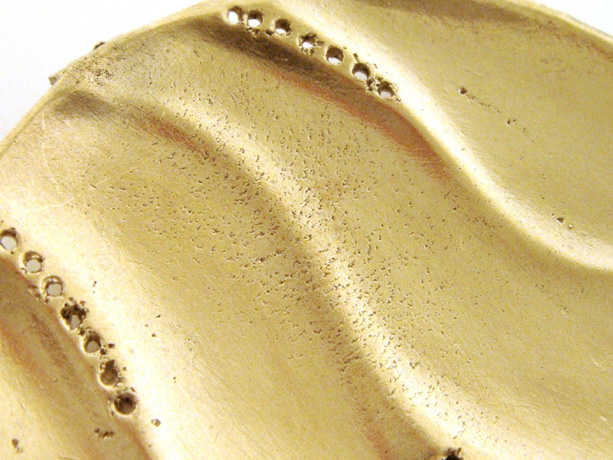
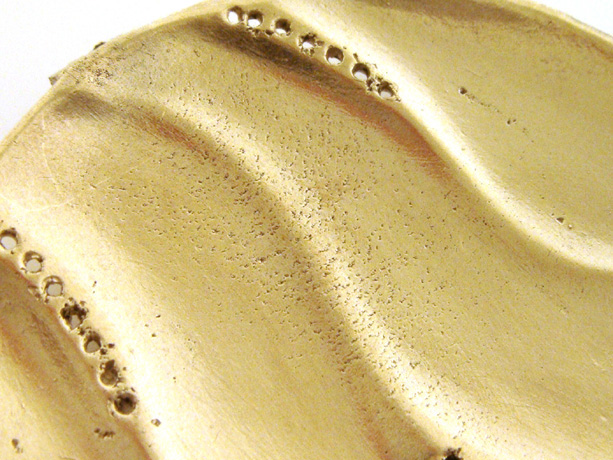
Most of materials present in nature, during the passage from liquid to solid, have a volume shrinkage which displays clearly in the solidification area of the last liquid in the form of porosity. Complex geometries, as mentioned above, emphasize this kind of phenomenon. This is why pendants and medals are particularly difficult to produce by investment casting processes.
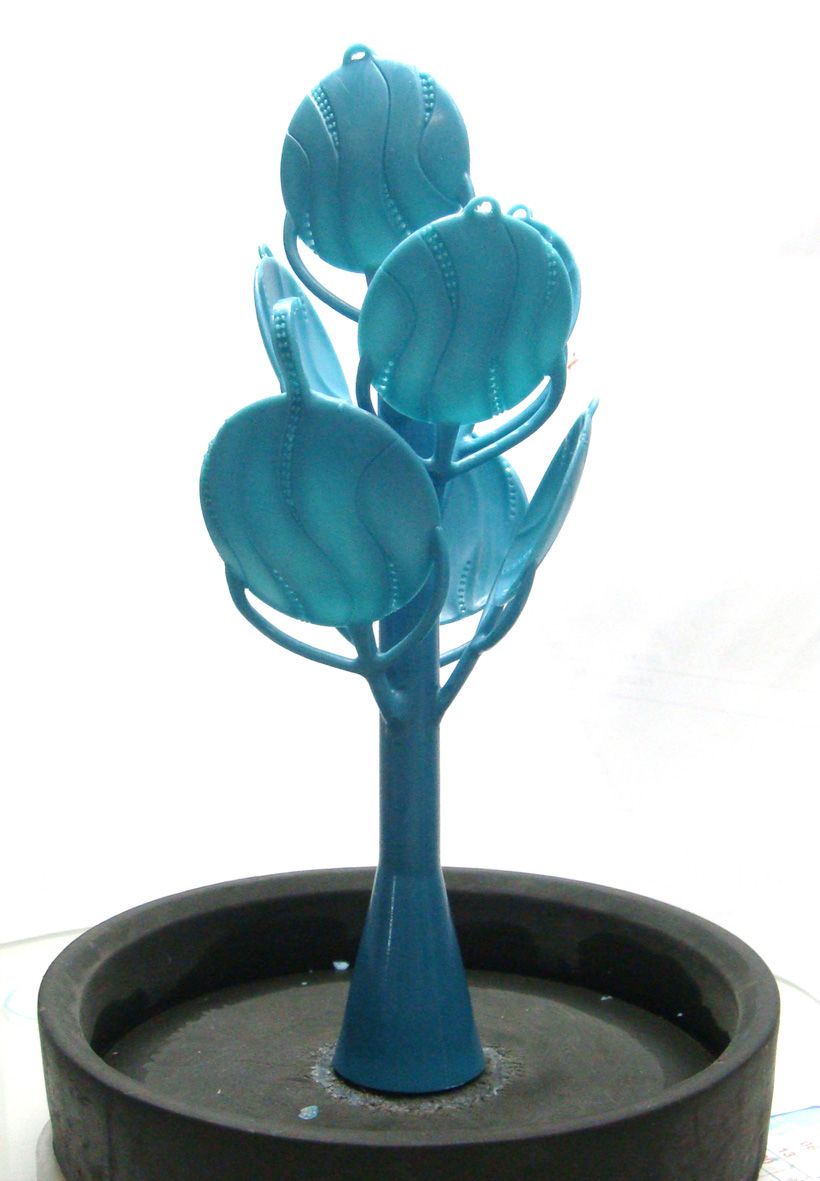
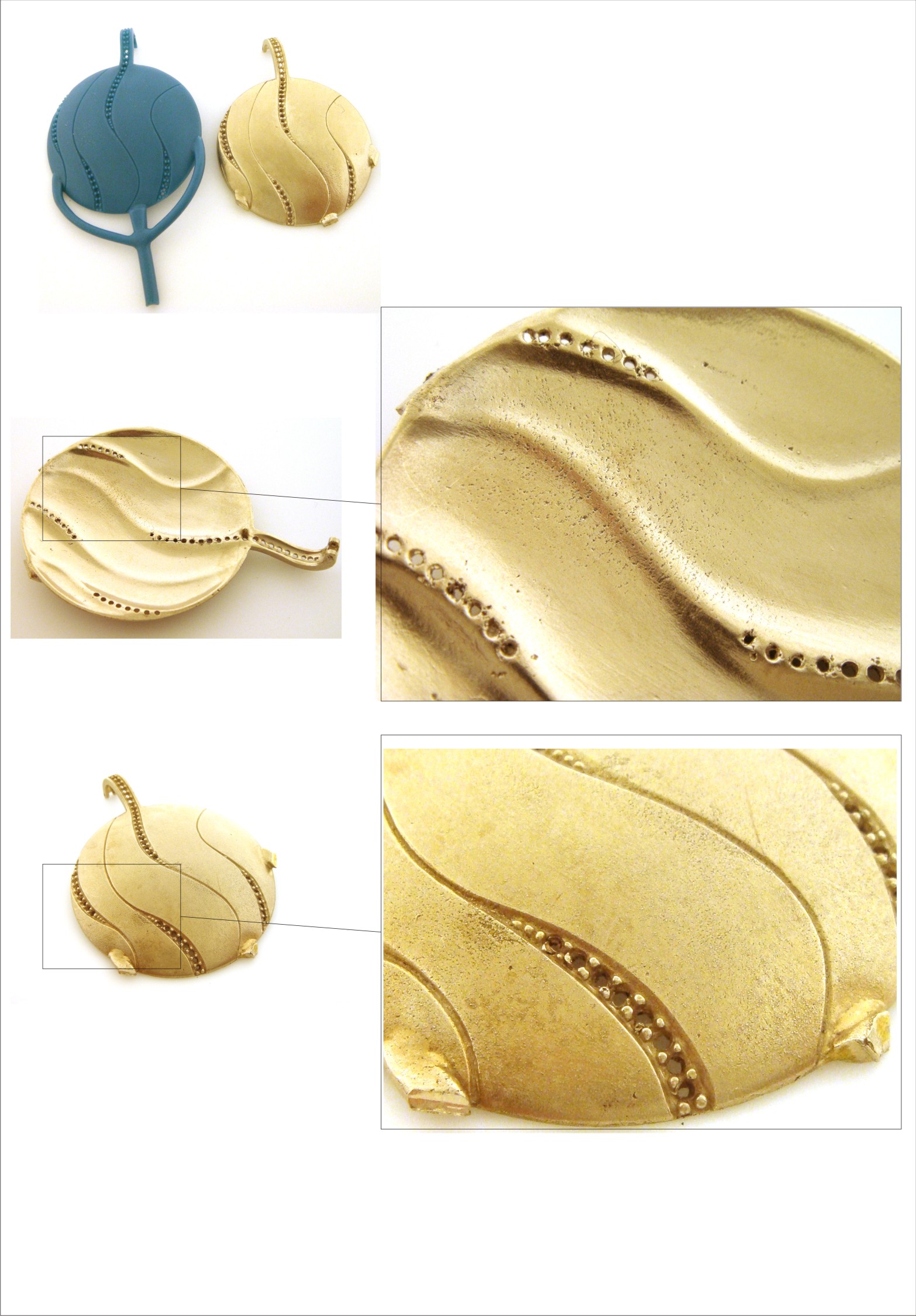
These items' solidification takes usually place inside the feeder first, and then this last one is no longer able to bring liquid metal to fill the porosities, which take then shape on the item.
SOLUTION
To obviate this kind of problem, as already hinted, an adequate gates system has to be built.
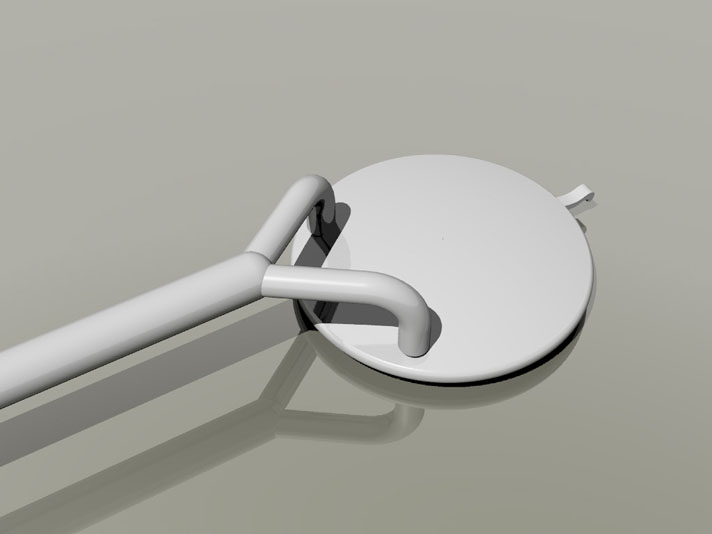
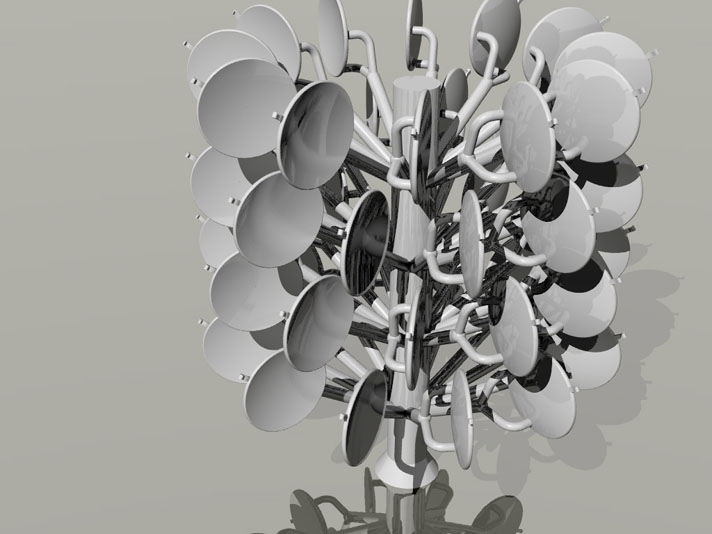
- A first principle which can be followed, is the one of moving the feeding's connection close to where the problem is usually faced
- Secondly, it is important to assemble the tree so that the pieces cast a shadow as small as possible on the plane